Friday Confession: I don't know how to knit

Knitting is one of those things that seems to be synonymous with craft for some folks. It's also what many assume you're doing if they see you out and about with yarn and some type of needle.

And since I own a craft truck, surely I know how to knit?

Confession: I don't.

I have a personal stockpile of yarn (in yummy colors and delicious textures). I have a bag and a bin and maybe another smallish box of unfinished yarny projects. I have needles in varying sizes. And I love the texture of a finished piece. But I never learned to knit.

I don't have anything against it. In fact, I'm always rather in awe of the beautiful pieces I see knitters create. But crochetting is the thing my grandmother taught me to do and I just haven't gotten around to taking a class on knitting. Perhaps I'm afraid of those pointy needles...or the fact that you need more than one to create. Or maybe I'm just afraid that my love of yarn would really get out of hand if I added another method of using it. Or maybe it's that I still have so much to learn about crochet first.

Regardless, I love seeing a ball of yarn become something else entirely--no matter the type of needle that helped it get there.

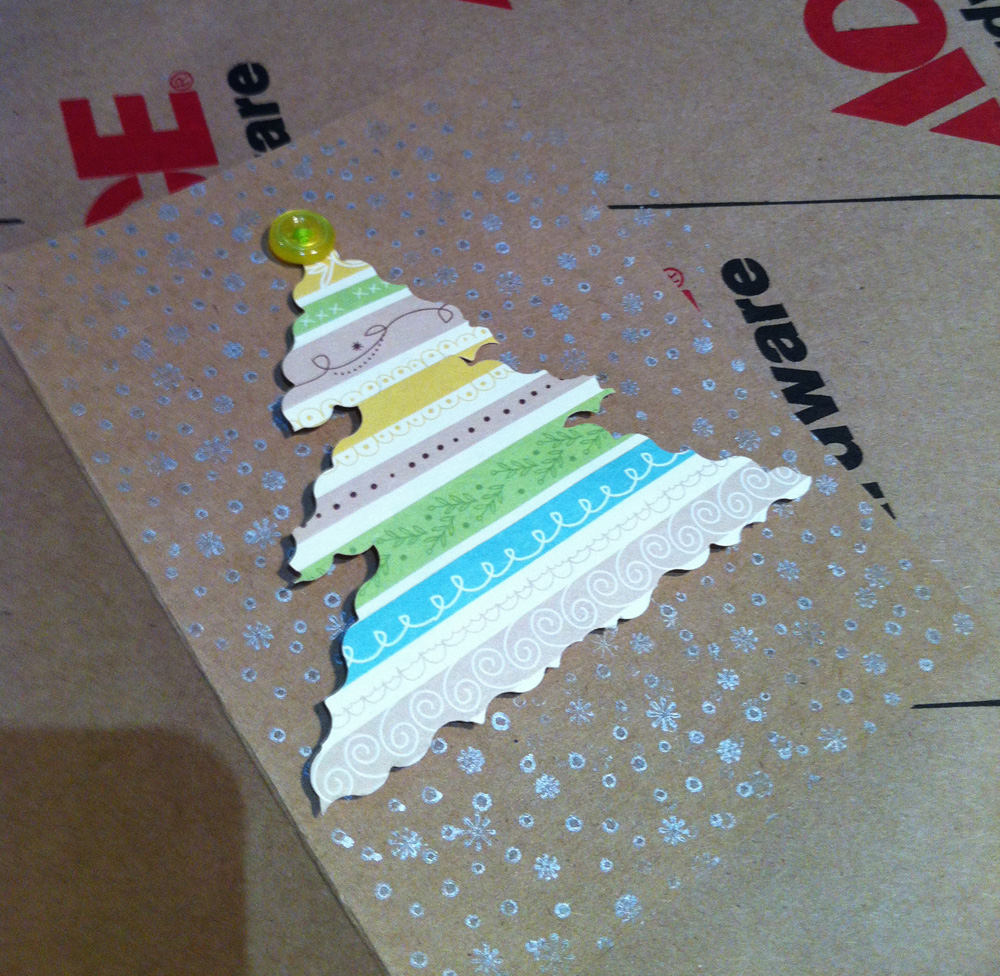
Blog post inspired by Tiffany Han's Friday's Confession series. Darling handmade bowl pictured above made by Tasha McKelvey.
Office Craft Break: Valentine's Edition

Time to add a craft break to that boring office lunch.

With Valentine's day just days away, here's what 30 minutes and some supplies from your desk can make.

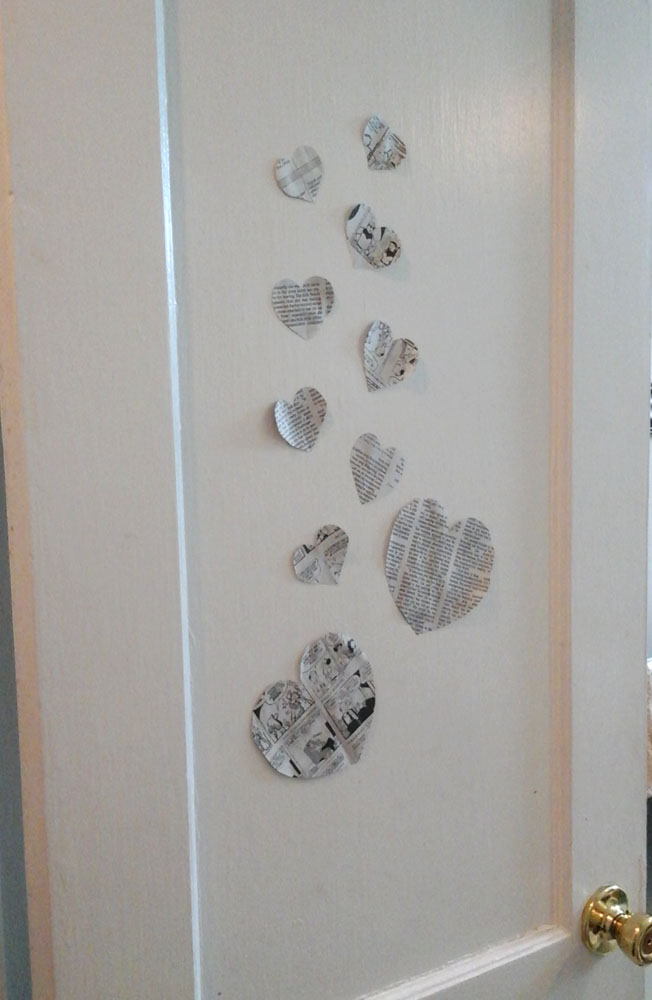
Paper hearts. I cut mine from yesterday's newspaper, but magazines or scrap paper will also do nicely. A little tape, and you've got decor for your door, cube or computer monitor.

Garland. Then I strung some paperclips together and attached my heart scraps. Affix your paperclip string to a boring surface with pushpins or magnets and you've got some garland.

I was thinking that straws or pens would make great "stems" for paper flowers, but couldn't get them shaped quite right in the time I had left of my 30 minutes. Maybe you'll have better luck.

What will you craft at lunch today?

How you #CraftUpTheTruck

Fact: y'all know how to #CraftUpTheTruck. From Halloween through the holidays and crafty projects in between, what you crafted was amazing.

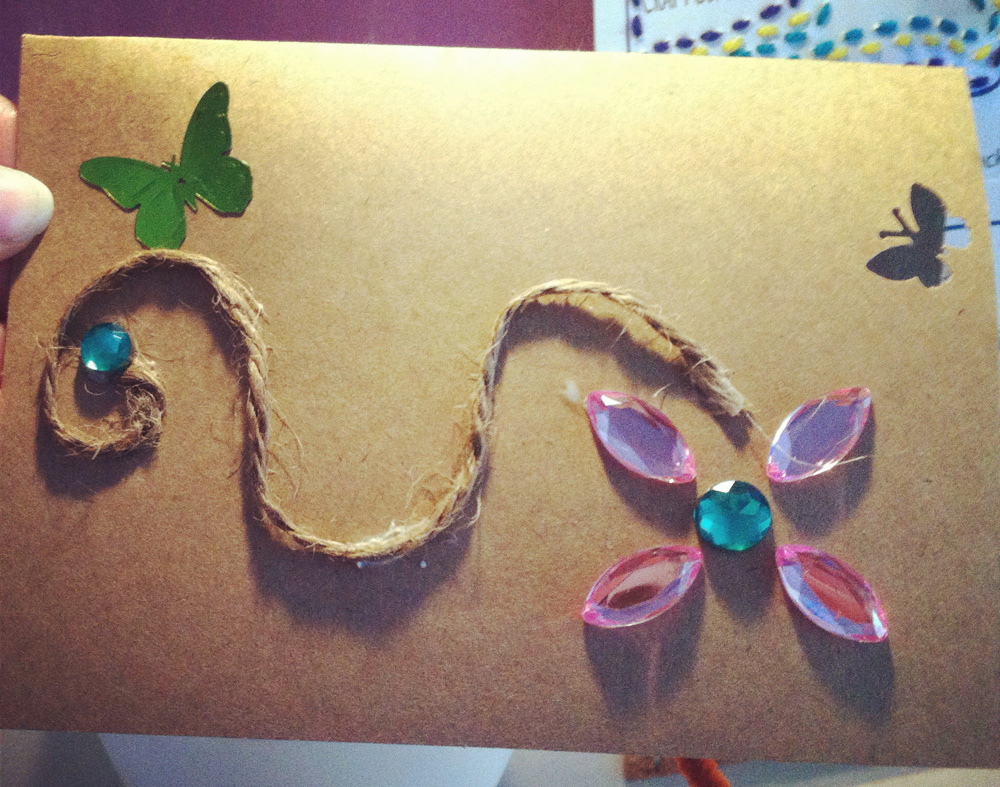
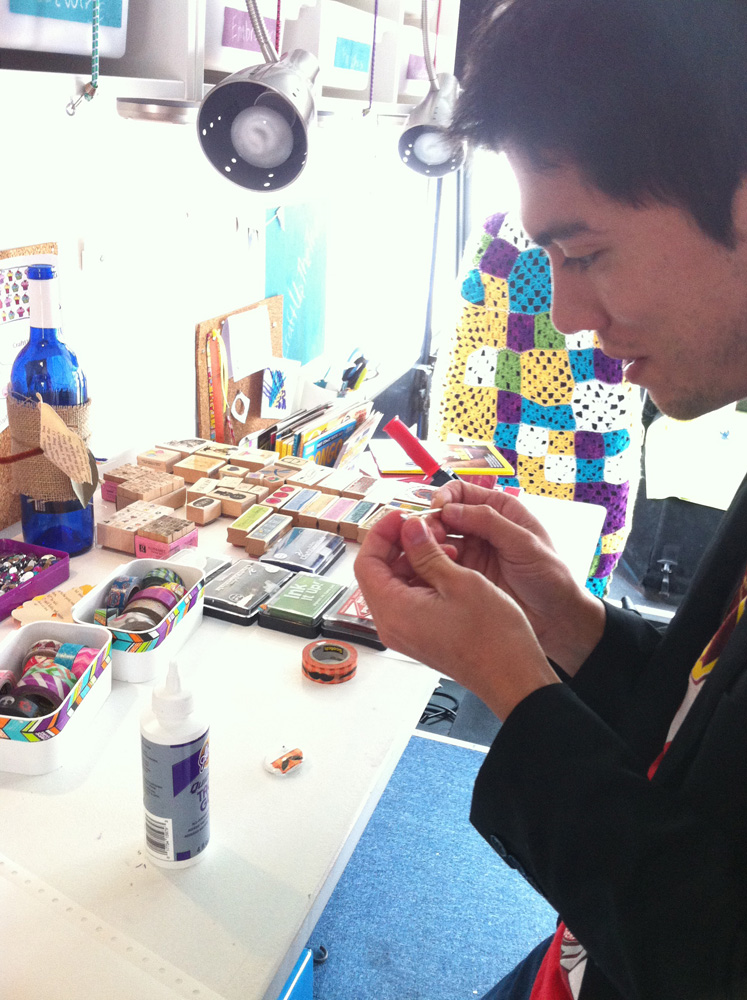
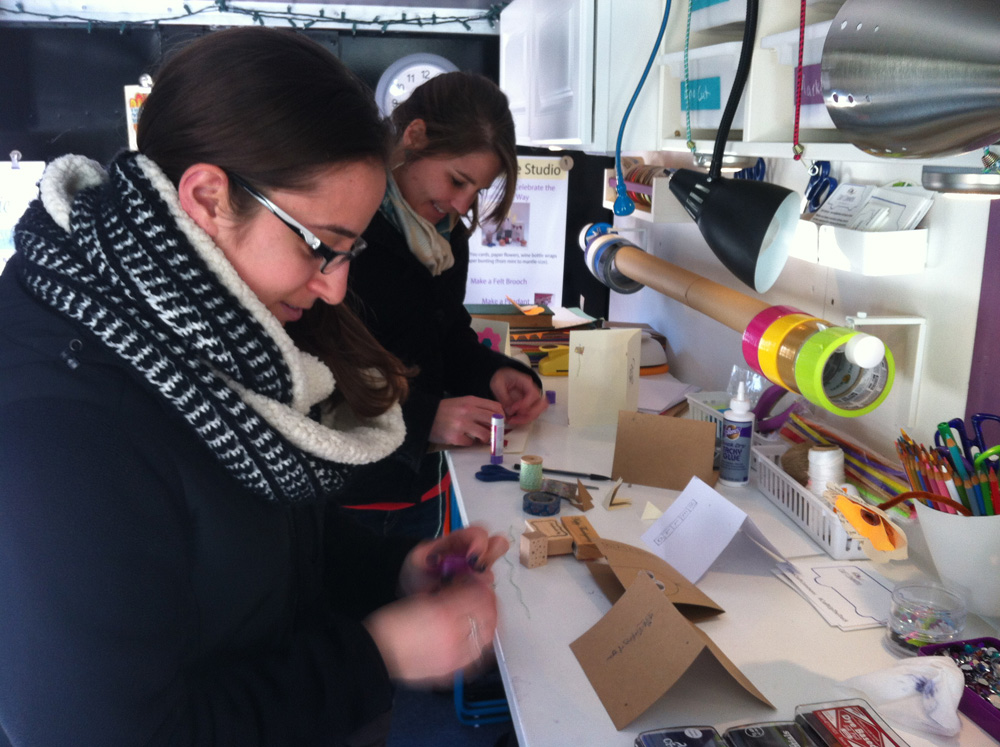
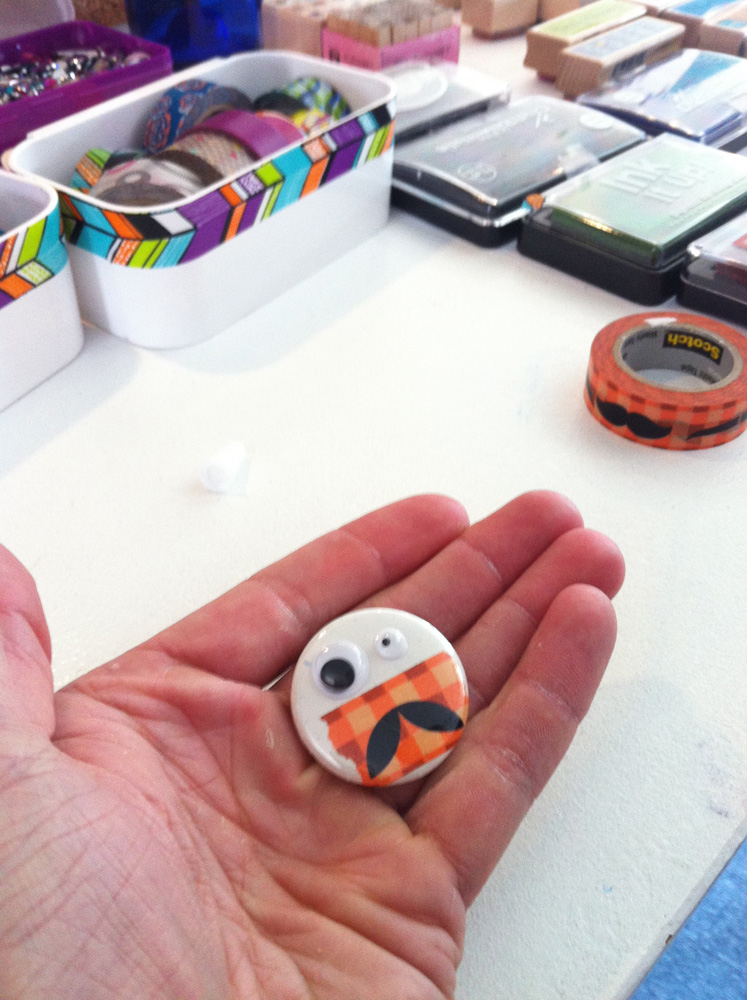
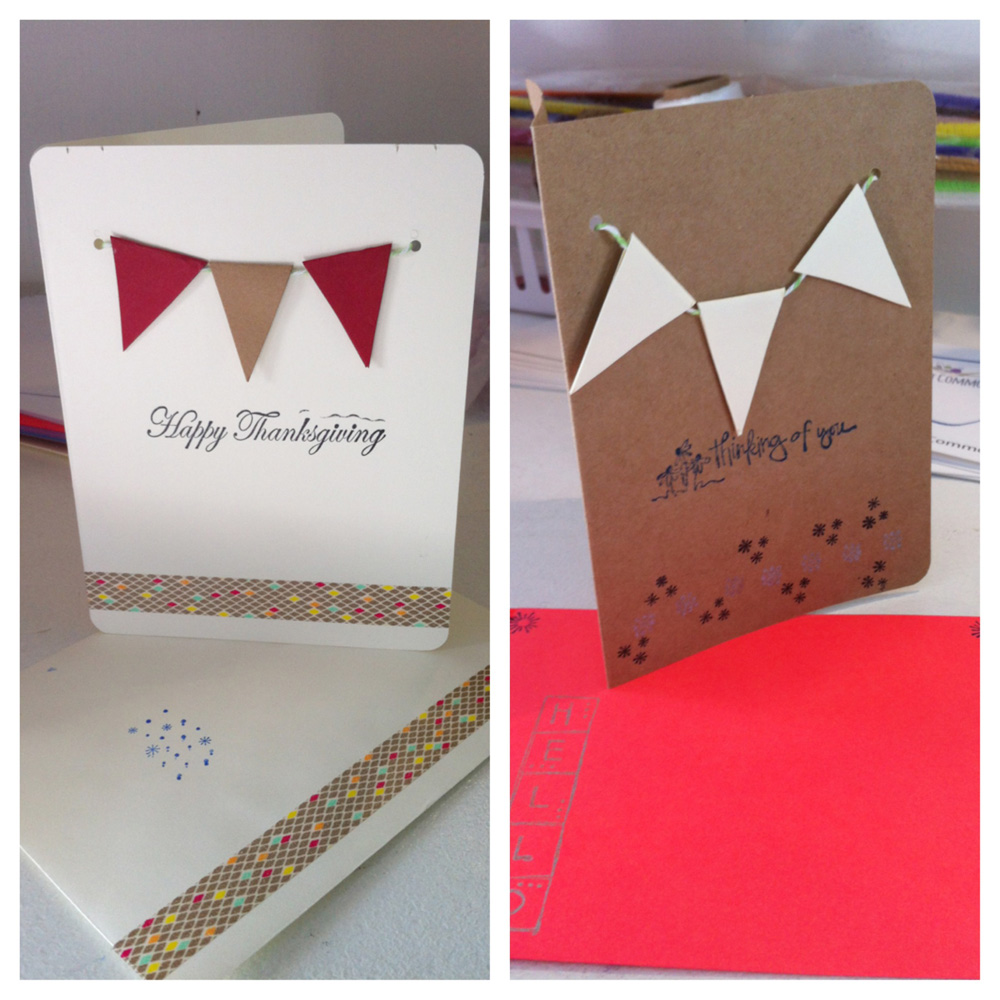
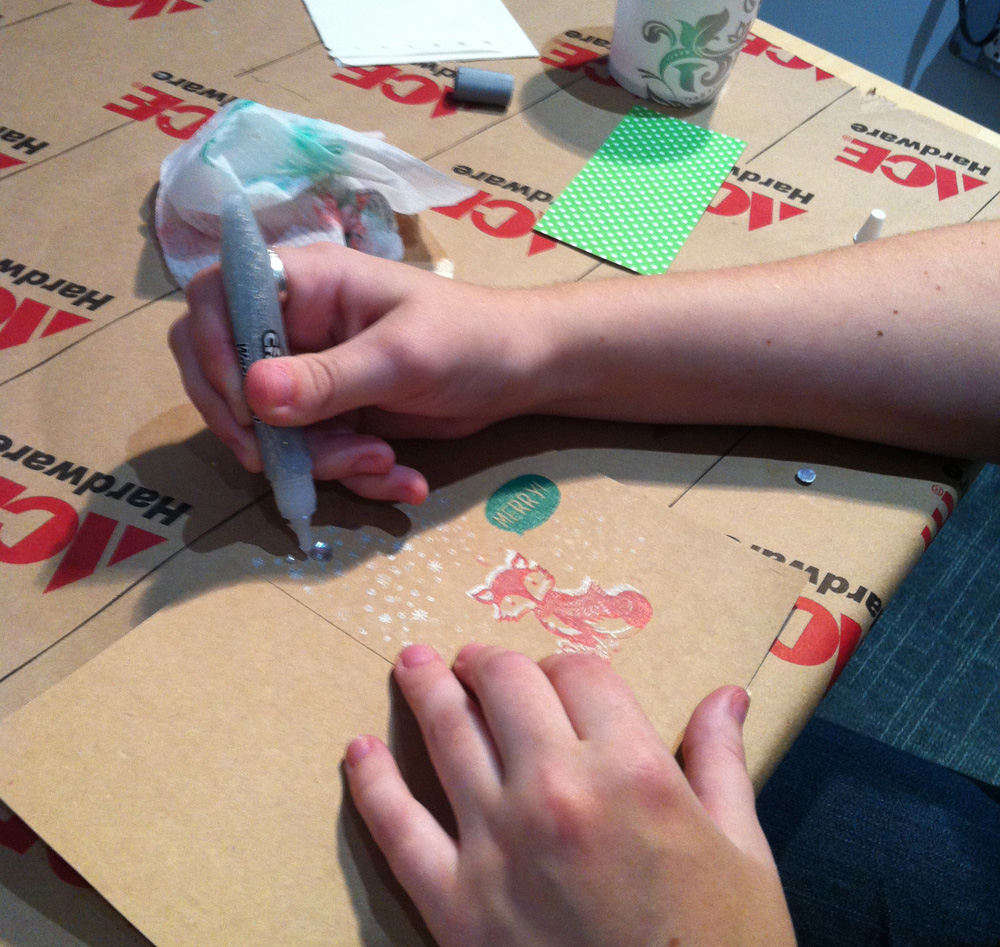
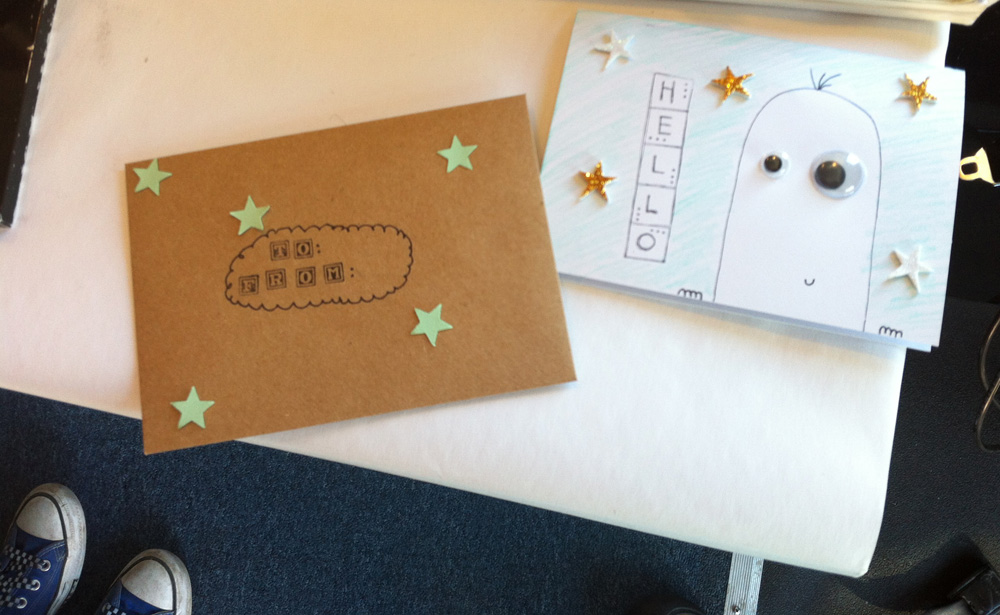
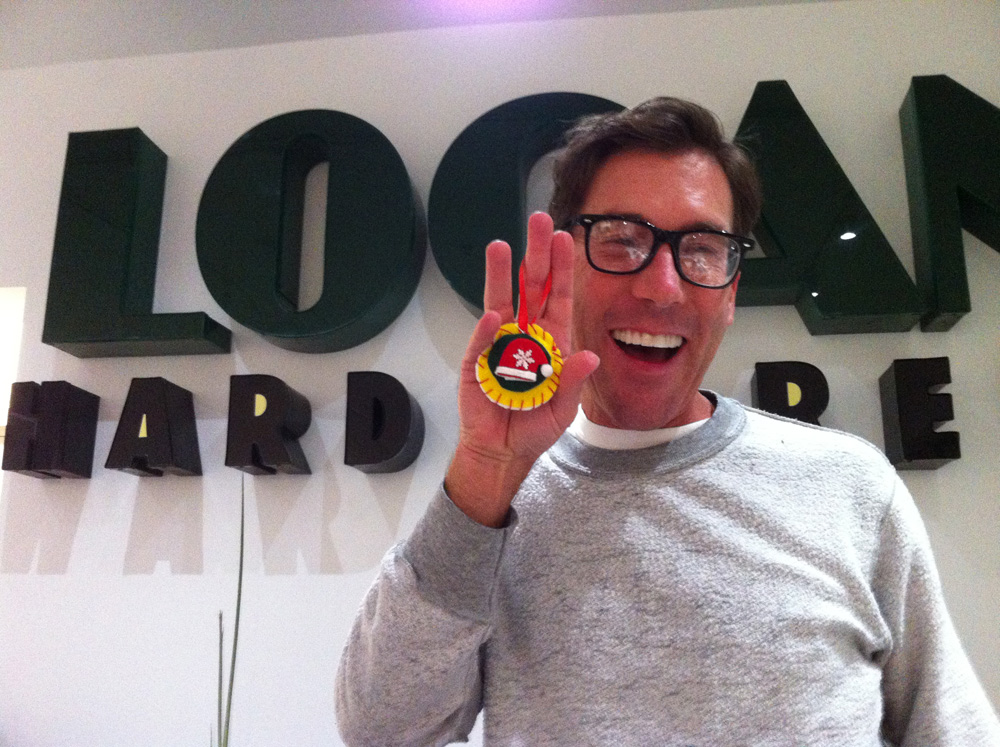
Here's a peek at some of the crafty awesomeness we had the privilege of being part of curbside, at Fashion Yards, at Union Market's Thread and upstairs at Logan Hardware.

A big thanks to everyone who has stepped inside the Craft Commons truck, and to Fashion Yards, Union Market and A Few Cool Hardware Stores for hosting us! We can't wait to see what you craft next!

Tool Tuesday: glass

I guess I don’t generally think of it that way, but probably the most important tool in glassblowing is the glass.

It comes out of the furnace clear, at a working temperature of 2080 degrees fahrenheit. Whether you’re adding color, making something that will fit in the palm of your hand or that will need multiple people to move, each blown glass piece usually begins and ends, in some way, with clear glass.

It’s fluid like honey when hot–and you’re constantly rotating it on the end of a metal rod or blow pipe to keep it centered. Stop for a second and it moves one way, turn it again (perhaps with some heat) and it moves the other.

Easily shattered, yet surprisingly strong, it takes on a whole new life when cool.

Tool Tuesday: the box

“Don’t love it ‘til it’s in the box. Well, actually, out of the box.”

This is something that you learn very early in glass blowing. “The box” is the annealer. Any piece you create needs to make it safely into, and then out of, the annealer. Once inside the box, your piece of glass is slowly and incrementally brought down to room temperature to relieve internal (invisible to the naked eye) stresses within the glass.

A typical annealing cycle at our studio begins at 890 degrees and comes down to 200 degrees over a period of at least 12 hours–making its way to room temperature from there. The thicker your glass, the longer the annealing cycle. This one took a year to anneal.  And if it’s not annealed properly? Your piece will shatter or crack at some point in its lifespan.

Why can’t you love it until it’s out of the box? Well, lots of things can go wrong along the way as you’re making something.

Things can also go wrong in the annealer–from gremlins in the electrical system messing up the cooling cycle to something falling over and breaking. So, it’s best not to get too attached too soon.